GOOGLE REVIEWS
Trustindex verifies that the original source of the review is Google. Great serviceTrustindex verifies that the original source of the review is Google. Good service 100%Trustindex verifies that the original source of the review is Google. The cashier were very helpfulTrustindex verifies that the original source of the review is Google. Good serviceTrustindex verifies that the original source of the review is Google. Trustindex verifies that the original source of the review is Google. Great service, always have stockTrustindex verifies that the original source of the review is Google. I m happily customer and the service was very excellent 👌Trustindex verifies that the original source of the review is Google. Zuleyka was my sales person and gave the best service and adviceTrustindex verifies that the original source of the review is Google. Best service ever!Trustindex verifies that the original source of the review is Google. Best prices good service
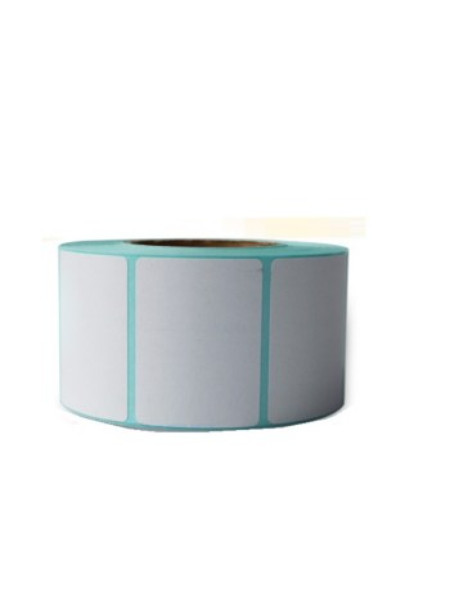
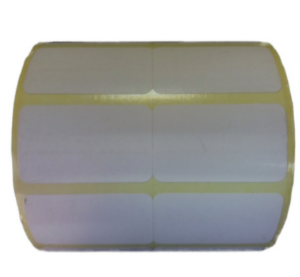
BARCODE LABEL 40 X 30 THERMAL 1000’S
R30.00
Categories: Labeling, Thermal Labels
BARCODE LABEL 40 X 30 THERMAL 1000’S
These are commonly used in a variety of applications, such as inventory management, shipping, and retail, where barcodes need to be printed for easy scanning.
Key Details:
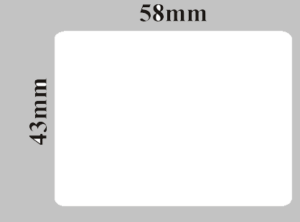
- Label Size: 40mm x 30mm (approximately 1.57 inches x 1.18 inches)
- Quantity: 1000 labels per roll
- Type: Thermal labels (likely direct thermal or thermal transfer)
- Primary Use: Barcode printing, often used for inventory, shipping, and product labeling.
Common Uses for 40mm x 30mm Barcode Thermal Labels:
- Inventory Management: Tracking products in a warehouse or retail environment.
- Shipping Labels: Used for labeling small packages with barcode tracking numbers.
- Retail Product Labels: Displaying product information, price, and barcode.
- Asset Management: For labeling assets or equipment with serial numbers or barcodes.
- Product Packaging: Barcode labels for small or medium-sized packages.
Key Considerations:
-
Printer Compatibility:
- Direct Thermal Printers: These printers use heat to print the labels and do not require ink or toner. This makes them cost-effective for short-term use, though the print can fade over time due to heat or sunlight exposure. Direct thermal printers are commonly used for barcode labels in retail and shipping.
- Thermal Transfer Printers: These printers use a ribbon to transfer ink to the label, producing more durable prints. This option is ideal for long-lasting barcode labels that need to withstand more wear and tear, such as outdoor labeling or in harsh environments.
-
Label Material:
- Paper Labels: Typically used for barcode labels, these are cost-effective and suitable for general indoor applications. However, paper labels may not withstand rough handling or exposure to moisture.
- Synthetic Labels: If you need labels to endure harsh environments, synthetic materials like polypropylene or polyester offer better durability, resistance to moisture, chemicals, and fading.
-
Adhesive Type:
- Permanent Adhesive: Common for most barcode labeling applications, as it ensures the label stays attached for the life of the product or shipment.
- Removable Adhesive: If you need to peel off the label later without leaving residue (for example, in temporary applications), a removable adhesive might be a good choice.
-
Barcode Printing:
- The resolution of your thermal printer is important for printing clear and scannable barcodes. A printer with at least 203 DPI (dots per inch) is typically sufficient for printing standard 1D or 2D barcodes.
- Label Design: Make sure there is enough space on the 40mm x 30mm label to fit the barcode, along with any other required information (such as product name, price, or serial number).
-
Roll Compatibility:
- Ensure that the core size (the inner diameter of the roll) and the roll diameter match your thermal printer’s specifications. Many printers use standard 25mm core rolls, but it’s always a good idea to double-check.
Additional Considerations:
- Print Durability: If the labels will be exposed to outdoor conditions, heat, or friction (like in shipping or manufacturing environments), thermal transfer printing on synthetic labels will provide longer-lasting results.