GOOGLE REVIEWS
Trustindex verifies that the original source of the review is Google. Great serviceTrustindex verifies that the original source of the review is Google. Good service 100%Trustindex verifies that the original source of the review is Google. The cashier were very helpfulTrustindex verifies that the original source of the review is Google. Good serviceTrustindex verifies that the original source of the review is Google. Trustindex verifies that the original source of the review is Google. Great service, always have stockTrustindex verifies that the original source of the review is Google. I m happily customer and the service was very excellent 👌Trustindex verifies that the original source of the review is Google. Zuleyka was my sales person and gave the best service and adviceTrustindex verifies that the original source of the review is Google. Best service ever!Trustindex verifies that the original source of the review is Google. Best prices good service
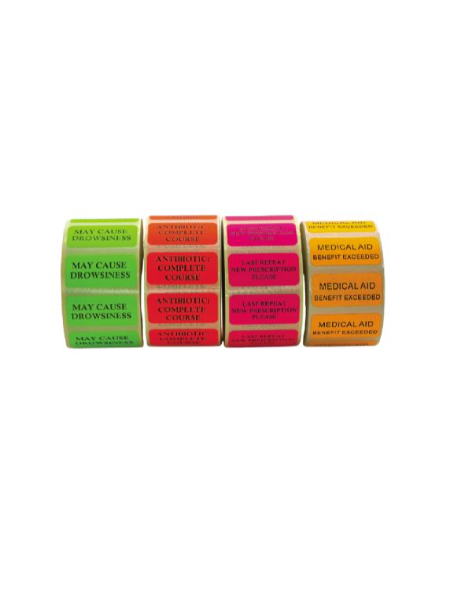
Various Warning Labels
VARIOUS WARNING LABELS
Warning labels are an essential part of safety and compliance for many industries. These labels communicate potential hazards and provide essential safety information to prevent accidents and ensure that people are aware of risks associated with products, equipment, and environments.
Below is an overview of various warning labels, their uses, and key characteristics:
1. General Warning Labels
These labels are typically used to indicate the presence of potential hazards or conditions that may cause harm. They are common in workplaces, construction sites, and manufacturing environments.
- Text: Commonly includes the word “Warning” in bold letters, followed by a description of the hazard (e.g., “Warning: Hot Surface”).
- Colors: Usually yellow and black to signify caution and alertness.
- Iconography: May feature hazard symbols, such as an exclamation mark or a caution triangle.
Uses:
- Industrial equipment
- Machinery and tools
- Hazardous materials
- Electrical panels
2. Flammable Material Warning Labels
These labels are used to indicate the presence of flammable substances that pose a fire risk. They are important for storage areas and shipping labels for hazardous materials.
- Text: Includes terms like “Flammable,” “Combustible,” or “Danger: Flammable Material.”
- Colors: Often red or orange to indicate the presence of flammable substances.
- Iconography: Usually a flame or fire icon.
Uses:
- Chemical storage
- Shipping containers for flammable liquids
- Gas storage areas
3. Electrical Warning Labels
Electrical warning labels are designed to alert individuals to the dangers of electrical shock, equipment malfunctions, or high-voltage areas.
- Text: Commonly includes warnings like “Warning: High Voltage,” or “Electrical Hazard.”
- Colors: Typically yellow or orange, sometimes with black or white for contrast.
- Iconography: Often features a lightning bolt or electrical hazard symbol.
Uses:
- Circuit breakers
- Electrical panels and wiring
- Power transformers
4. Toxic or Harmful Substance Warning Labels
These labels indicate that the material or chemical involved can cause harm to health, either through inhalation, ingestion, or skin contact.
- Text: “Toxic,” “Harmful,” “Dangerous for the environment,” or “Poison.”
- Colors: Black and white or red to indicate a high level of danger.
- Iconography: Often uses a skull and crossbones symbol for toxic substances or a health hazard symbol.
Uses:
- Chemical products
- Pesticides
- Industrial cleaning agents